










































Bringing a new technology vendor into an organization is not just a purchasing decision. It is a risk decision. Every vendor that touches your systems, your data, or your operations extends your exposure surface – and when that vendor is unknown, the exposure is even less defined.
Procurement teams have become increasingly structured in how they approach this challenge. What once relied on references and a few phone calls now involves formal frameworks, layered documentation requirements, and ongoing review cycles. This shift is not bureaucratic caution for its own sake. It reflects how much is genuinely at stake when an unknown vendor gains access to critical infrastructure, sensitive data, or business-critical processes.
This article walks through how procurement teams actually conduct vendor risk assessment, what they are looking for, and why a disciplined approach to vendor risk management protects more than just the IT department.
What Is Vendor Risk Assessment?
Vendor risk assessment is the structured process of evaluating a potential vendor’s ability to meet security, operational, financial, and compliance requirements before and during an engagement. It is one component of a broader vendor risk management program, which covers the full lifecycle of a vendor relationship – from initial screening through contract renewal and offboarding.
For technology vendors specifically, the assessment goes beyond price and capability. Procurement teams are asking a different set of questions: What data will this vendor access? What would a breach or outage on their end cost us? Are they operating to the same standards we hold ourselves to? Do they have the controls in place to make that answer verifiable?
The depth of the assessment usually scales with the level of access and dependency. A vendor providing a low-risk productivity tool receives a different level of scrutiny than one handling payroll data or sitting inside the network perimeter.
The First Filter: Financial and Operational Stability
Before any technical evaluation begins, procurement teams want to understand whether a vendor is viable as a long-term partner. An unknown technology vendor with strong capabilities but questionable financial stability poses a different kind of risk – one that can strand an organization mid-implementation if the vendor closes, pivots, or loses key personnel.
Supplier due diligence at this stage typically involves reviewing publicly available financial information, checking for litigation history, confirming business registration, and in some cases requesting audited accounts or proof of insurance. For smaller or newer vendors, this step can surface concerns that would not appear in a product demonstration.
Operational stability questions also apply here: How long has the vendor been in business? Do they have a track record of maintaining long-term client relationships? What does their leadership and support structure look like? These questions are not meant to disqualify newer vendors automatically – but they do shape the risk posture of the engagement.
The Security Layer: Cybersecurity and Data Risk
This is where IT vendor management and security teams tend to intersect most directly. A vendor security assessment at this stage covers the technical and procedural controls the vendor has in place to protect data, prevent unauthorized access, and respond to incidents.
Cybersecurity risk assessment for technology vendors typically includes reviewing certifications such as ISO 27001 or SOC 2 Type II, which provide independent validation that a vendor’s security controls meet recognized standards. Where certifications are not available, procurement teams may issue security questionnaires covering areas including data encryption, access controls, vulnerability management, patch cadence, and incident response capability.
Penetration testing records, data residency practices, and subprocessor disclosures are also common requests – particularly where data protection regulations such as GDPR apply. The goal is not to audit the vendor exhaustively at the procurement stage, but to establish whether their security posture is compatible with the organization’s own risk tolerance.
Vendor governance programs at more mature organizations include tiered security requirements based on vendor criticality. A vendor classified as high-risk – because of data access, system integration depth, or regulatory sensitivity – will face a more detailed cybersecurity risk assessment than one classified as standard.
Compliance and Contractual Due Diligence
Supplier due diligence extends beyond security into regulatory and contractual alignment. Procurement teams need to confirm that a vendor can operate within the legal and compliance framework that governs the organization’s industry and geography.
For regulated industries such as financial services, healthcare, or critical infrastructure, this means verifying that vendors hold relevant certifications, can demonstrate compliance with sector-specific standards, and are willing to accept contractual obligations that reflect those requirements. Data processing agreements, right-to-audit clauses, and breach notification terms are standard elements of a vendor contract in environments with meaningful regulatory exposure.
How to evaluate technology vendors from a compliance perspective also involves looking at the vendor’s own supply chain. Subcontractors and technology partners that the vendor relies on may introduce risks that are not visible in the vendor’s primary documentation. Reputable vendors will disclose these relationships; those that resist transparency on subprocessor arrangements are often a signal worth paying attention to.
How Procurement Teams Assess Vendor Risk in Practice
How procurement teams assess vendor risk varies by organization size and maturity, but the core structure tends to follow a consistent pattern.
An initial screening filters vendors against minimum thresholds – certifications, financial viability, reference availability. Vendors that clear this stage move into a more detailed evaluation that combines questionnaire responses, documentation review, and in some cases a technical conversation between the vendor’s security team and the organization’s own.
For high-criticality vendors, a site visit or third-party audit may be included before contract signature. This is more common in sectors where the consequences of a supply chain failure are severe and where regulatory frameworks require it.
Once a vendor is onboarded, ongoing vendor risk management takes over. Periodic reassessments, contractual review cycles, and continuous monitoring against threat intelligence feeds help organizations stay current on a vendor’s risk profile as circumstances change. A vendor that was low-risk at onboarding may become higher-risk after an acquisition, a disclosed breach, or a change in the services they provide.
Why This Process Protects More Than the IT Department
A rigorous vendor risk assessment process has implications well beyond security. It protects procurement teams from liability. It gives legal and compliance teams defensible documentation that due diligence was performed. It gives the business confidence that a vendor relationship will not become a regulatory incident or an operational disruption.
Vendors that perform well through this process often end up being stronger long-term partners – because the organizations that take vendor risk management seriously tend to attract vendors that take their own standards equally seriously.
The assessment is not just about identifying problems. It is about establishing a foundation for a vendor relationship that can carry weight when things get complicated.
For Vendor risk assessment tips, Visit Us.
FAQs
How do procurement teams evaluate technology vendors?
Procurement teams use a structured vendor risk assessment process that covers financial stability, security controls, regulatory compliance, and contractual terms. The depth of evaluation scales with the vendor’s level of access and the criticality of the systems or data involved.
What is third-party risk management?
Third-party risk management is the ongoing process of identifying, assessing, and monitoring the risks introduced by external vendors, partners, and suppliers. It is the broader program within which vendor risk management operates, covering the full vendor lifecycle from onboarding through offboarding.
What should be included in a vendor due diligence checklist?
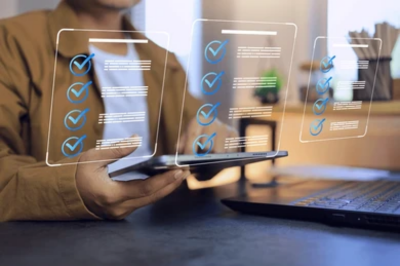
A thorough supplier due diligence checklist should cover financial viability, business registration, insurance, security certifications, data handling practices, compliance documentation, subprocessor disclosures, incident response procedures, and contractual requirements including right-to-audit and breach notification clauses.
How do you assess vendor cybersecurity risks?
A cybersecurity risk assessment for vendors typically involves reviewing security certifications such as SOC 2 or ISO 27001, issuing security questionnaires, evaluating data encryption and access control practices, and confirming incident response readiness. For high-risk vendors, a vendor security assessment may include direct conversations between security teams or a review of recent penetration testing results.
Why is vendor risk management important?
Vendor risk management is important because every vendor with access to your systems or data extends your organization’s risk surface. Without structured IT vendor management and assessment processes, a vendor failure – whether through a breach, an outage, or a compliance gap – can create operational, regulatory, and reputational consequences that far exceed the cost of the vendor relationship itself.