





































Most companies now run some form of artificial intelligence, whether a customer chatbot, a fraud model, or an internal assistant built on a large language model. These tools bring real productivity, but they also create failure modes traditional security plans were never designed to catch. That gap is why AI Incident Response has moved from a niche concern to a board-level question.
The honest answer to whether every company needs a plan is yes, though the depth should match the risk. A small team using one off-the-shelf tool needs less than a bank running dozens of models in production. What matters is that someone has thought through what happens when an AI system behaves unexpectedly.
Why AI Creates New Security Challenges
Traditional software is predictable. It follows rules a developer wrote, so when it breaks, the cause is traceable. AI systems learn patterns from data, so they can produce outputs no one explicitly programmed. That flexibility is the point, but it opens the door to problems classic AI Security thinking does not cover.
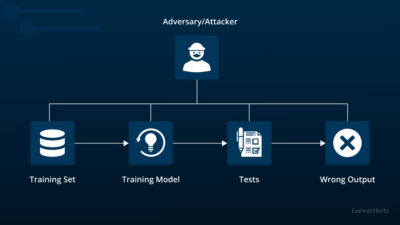
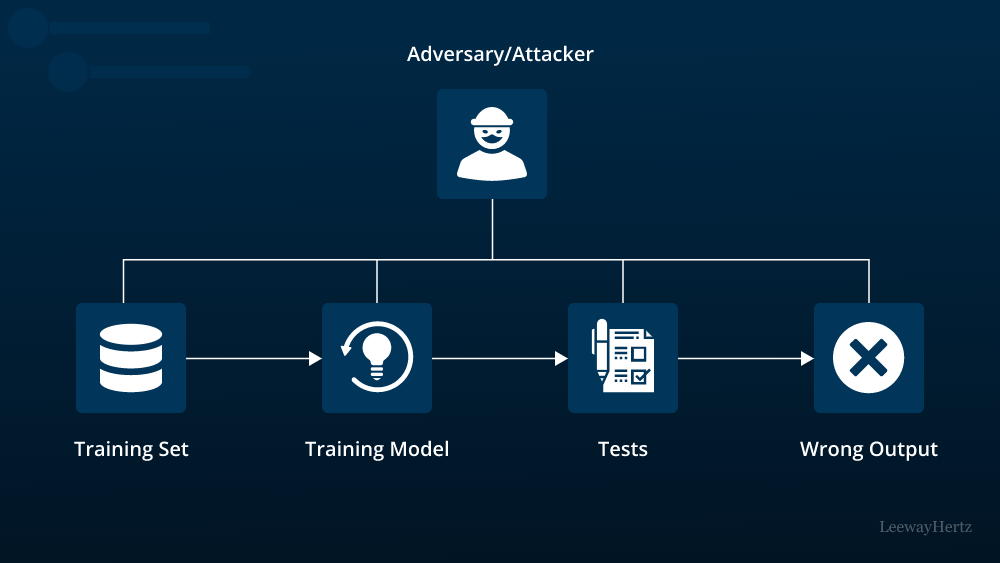
A model can be manipulated through crafted inputs, a technique often called prompt injection in LLM security. It can leak sensitive training data. It can drift over time as conditions change, steadily making worse decisions. Because many teams treat AI as a black box, these failures can run for weeks before anyone notices.
These are not hypothetical. As models handle more data and automated decisions, the blast radius of one failure grows. A biased hiring model, a chatbot that exposes private records, or a fraud system tricked into approving bad transactions can each cause financial and reputational damage no firewall alone will prevent.
What Counts as an AI Incident
Defining the problem is the starting point. AI Security Incidents cover a wider range than many teams expect. They include obvious breaches, like an attacker extracting confidential data through a model, and subtle events that cause harm.
A useful way to group them:
- Data exposure: the model reveals training data, personal records, or internal information it should have kept private.
- Manipulation: someone feeds the system inputs designed to bypass its guardrails or produce harmful output.
- Model failure: the system degrades, produces biased results, or makes decisions that violate policy or regulation.
- Misuse: employees or outsiders use an approved AI tool in ways that create legal or safety exposure.
Grouping incidents this way supports a proper AI Risk Assessment, because each category needs a different detection method and response.
How to Detect Security Incidents in AI Systems
You cannot respond to what you cannot see. Strong detection separates a contained event from a public crisis, and it means treating models as systems to watch, not tools you set and forget.
Practical detection for AI security incident management for businesses rests on a few habits. Log model inputs and outputs so unusual patterns can be reviewed. Watch for sudden changes in accuracy or behavior, which often point to drift or tampering. Flag when a model is queried in ways that resemble an extraction attempt. And review the decisions a model makes regularly, so bias or policy violations surface early.
This is also where AI security controls earn their place. Access limits, input validation, output filtering, and rate limiting all reduce the chance a single weak point becomes a full incident. Many organizations skip them when rushing an AI project into production.
Building the Plan and Deciding Who Owns It
A response plan answers three questions before anything goes wrong: how we know, who acts, and what they do. That thinking saves the hours that matter most during a live event.
Ownership is where many teams stumble. Security teams understand breaches but lack model expertise. Data science teams understand models but rarely think like attackers. A workable plan puts the two together, with a named owner who can pull in legal, communications, and leadership when needed. This is the practical core of AI Governance: not a policy binder, but a clear chain of responsibility people actually follow.
For larger organizations, Enterprise AI Security means extending existing incident processes rather than building a parallel one. The playbook that handles a data breach can be adapted, as long as it accounts for how AI failures spread and the specialists needed to diagnose them.
Does Every Company Really Need One
Return to the opening question. A two-person startup using a single AI writing tool does not need a fifty-page document. It does need to know who to call, how to switch it off, and how to tell customers if something breaks. A regulated enterprise running models that touch money or health data needs far more.
The size of the plan scales with the risk, but having one should not be optional. AI systems already make decisions that affect real people. Treating their failures as a matter of if, rather than when, turns a manageable event into a lasting one.
Frequently Asked Questions
What is considered an AI security incident?
It is any event where an AI system causes or enables harm, such as leaking private data, being manipulated into unsafe output, making biased or non-compliant decisions, or being used outside its approved purpose. It covers far more than data breaches.
Can existing cybersecurity teams handle AI incidents?
They can handle part of it, but not all. Security teams know how to contain breaches and manage response, yet often lack deep model knowledge. The best results come from pairing them with data science staff who understand how the model behaves and why it fails.
What types of AI failures can become security incidents?
Common ones include data exposure through the model, manipulation such as prompt injection, drift that gradually degrades accuracy, biased or non-compliant outputs, and misuse of an approved tool. Any of these can become a reportable event depending on the data and decisions involved.
Who is responsible for responding to an AI security incident?
A named owner should lead, someone who can coordinate security, data science, legal, and communications. Clear ownership matters more than the job title, because these events cross technical and business lines and need one person able to decide quickly.
How quickly should companies respond to an AI-related breach?
As fast as the risk demands. High-impact events involving personal data, money, or safety may carry legal deadlines measured in hours or days. Even lower-risk issues should be contained quickly, because AI failures can repeat at scale until the system is paused or fixed.